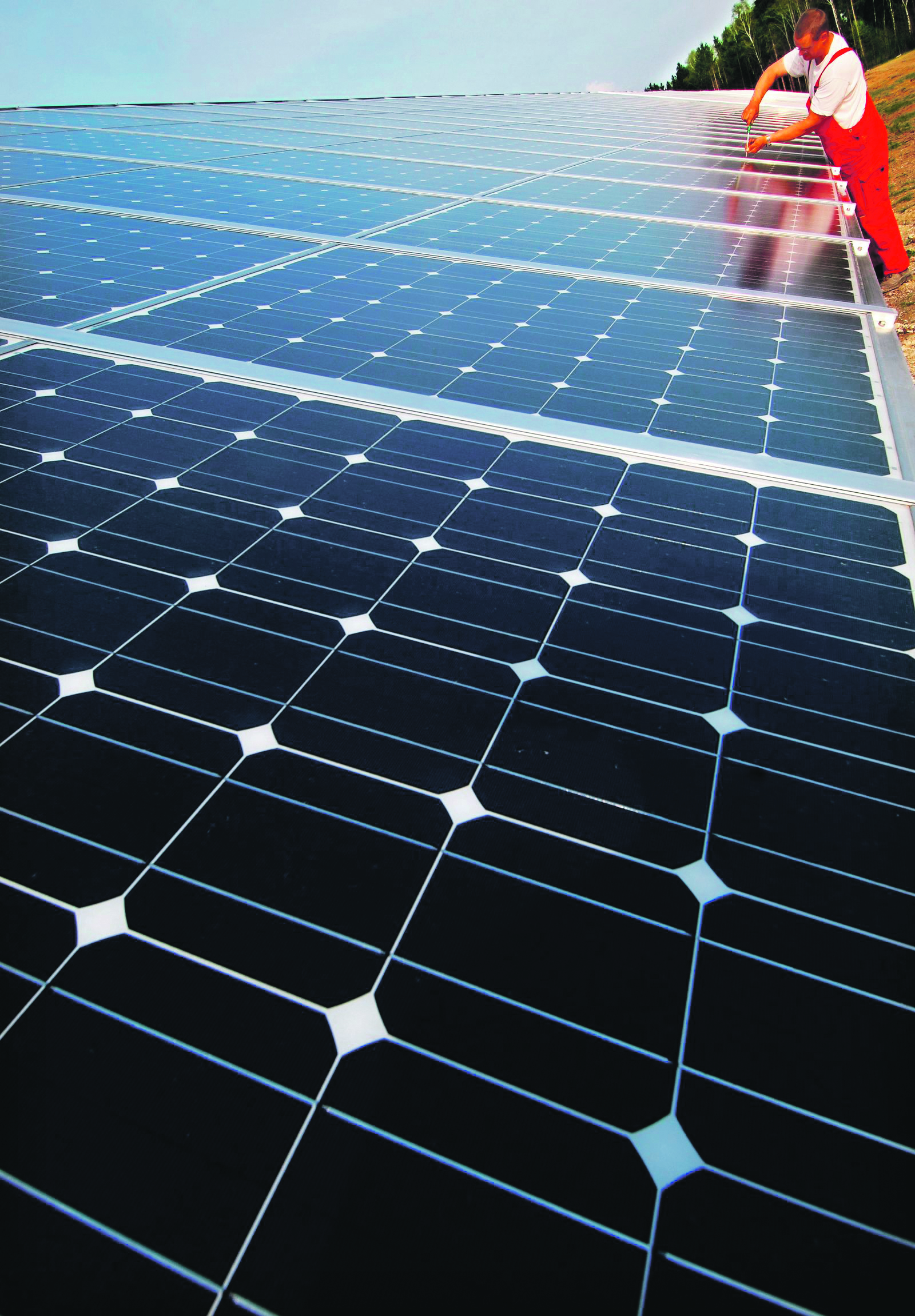
The possibility of powering a household with free solar power without compromising on consumption and comfort is already a reality.
The sad thing is that very few property owners on the island know about it. Would you like to be one of them?
Of course. You've heard this story several times somewhere. The supposed fairy tale of the always blissfully happy homeowner in Mallorca who reduces the majority of his electricity consumption in the house to an enviable minimum thanks to a few darkly shimmering solar panels on the roof. Nice story. In reality, however, so far mostly without a convincing happy ending.
And for several reasons at once: Investment costs that are seemingly almost impossible or difficult to estimate, the unforeseen purchase of additional and cost-intensive storage systems, as well as numerous structural, legal and technical requirements, have so far put the brakes on interest in private photovoltaic systems among the majority of foreign second and vacation property owners on the island, despite years of immense technical development.
However, all these reservations are no longer accurate, are outdated - and therefore water under the bridge.
Nowadays it is easily possible on Mallorca - neither with the help of exorbitant investment costs nor any restrictions regarding contemporary electricity consumption limits or luxurious living comfort; to supply a house partially, almost or completely self-sufficiently via solar power", says Gerd Stuckmann, Managing Director of FSB, a company specializing in contemporary photovoltaic building technology with branches in Ses Salines and Campos.
And that means: As one of the few foreign electrical installation companies officially registered in the Balearic Islands, FSB offers property owners the opportunity to forget about their electricity bills or at least reduce them to a largely insignificant monthly cost item.
"On Grid"or "Off Grid" - Difference in solar power supply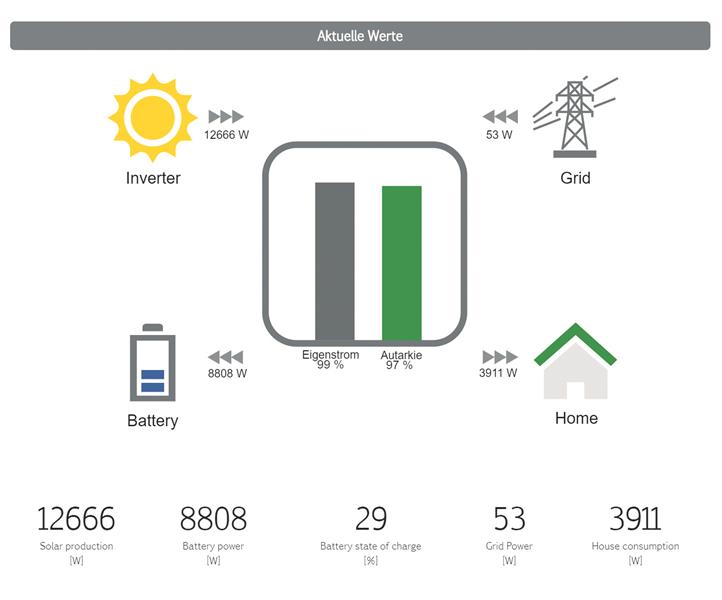
The path to a self-sufficient or partially self-sufficient energy supply in your own four walls is divided into two parts. "We differentiate between on-grid and off-grid solutions," explains Stuckmann. "On grid" means the production of in-house solar power using the public grid. In other words, the most suitable variant.
Step 1: "Together with the property owner, we create an individual electricity consumption analysis", says Stuckmann. In other words, the answer to perhaps the most important question: how many kilowatt hours of solar power must be produced on average in order to ensure the most self-sufficient energy supply possible per year? Based on this value, the system is then installed by Stuckmann with regard to its maximum output capacity.
The rest is relatively simple. All solar systems are designed by us in such a way that they always produce a surplus of electricity. This surplus is used both to charge the storage batteries and to feed kilowatt hours into the public electricity grid (see diagram on page 53 above). And in Mallorca, as in the rest of Spain, this is reimbursed by law by the respective energy providers.
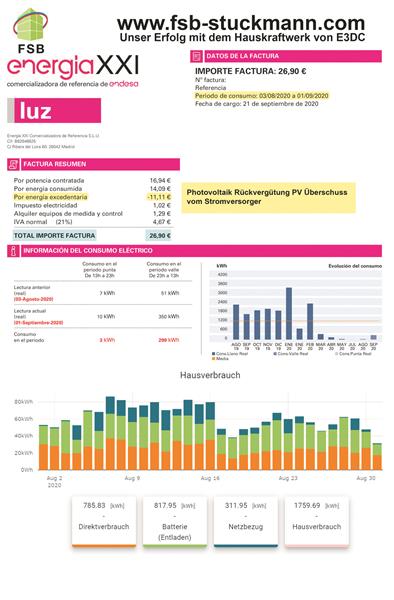
A case study illustrates the astonishing money-saving results that such a system can achieve. "The owner of a detached house in Mallorca asked us at the beginning of this year to install a complete on-grid solar system to reduce his monthly electricity costs of around 750 euros as much as possible," explains Stuckmann. His last electricity bill in August was 26.90 euros thanks to optimal, software-controlled system utilization and the reimbursement for the surplus produced by the solar system.
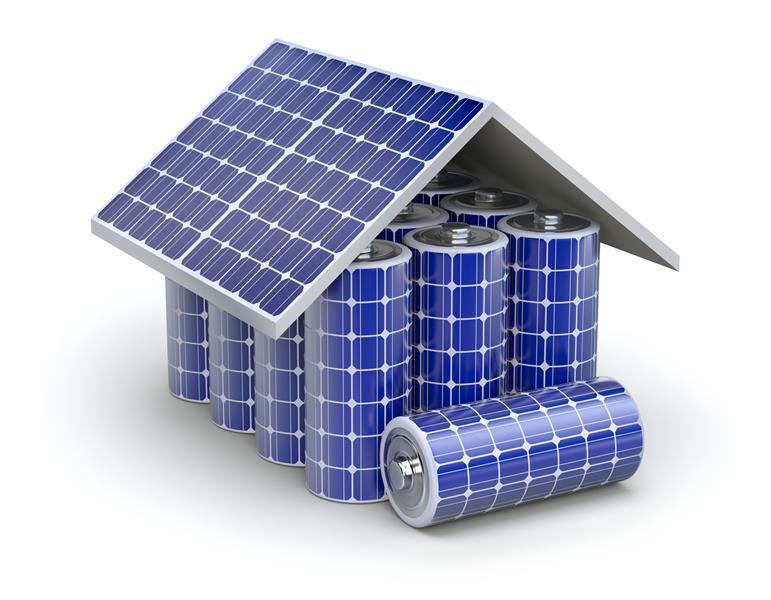
 That sounds quite promising. Not to say: monstrous. However, the question arises as to how deep a property owner has to dig into their pockets to install such a system "The amount of the costs depends entirely on the desired KW output that the system is to produce. In order to minimize the need to draw additional power from the public grid, especially at night, storage batteries are recommended, which immediately take over the power supply in the house in the event of minor power outages, explains Gerd Stuckmann.
For the example customer mentioned above, the total cost of the system amounted to around 45,000 euros, including batteries and one year of control maintenance. Stuckmann and his team use livestream graphics software to monitor all the system data of the customer's system with regard to its solar power production, the energy consumption in the house, the current storage level of the batteries and the number of kilowatt hours fed into the public grid per second. Of course, the customer can also access the same data from anywhere via PC, tablet or smartphone.
And then, of course, the whole thing also works "off grid". In other words, without a conventional power connection or contract with an energy company. "Basically the same concept as on grid", says Stuckmann. However, the system must then replace the reserves from the public grid that are available on demand in the on-grid case with larger storage systems or a generator in the event of a drop in power at night, when there is a cloud cover or in the event of a sudden increase in consumption.
But even that sounds more complicated than it actually is. Or to put it another way: Anyone who still believes in the fairy tales of little red horses and the big wolf is certainly a sympathetic nostalgic. All other property owners should start thinking seriously about solar power production. For the sake of the environment alone.
Further information:
Franz Stuckmann Balears S.L.
Ses Salines and Campos
Tel. (+34) 682 331 893
www.fsb-stuckmann.com