Energy supply Mallorca: grid expansion, solar power and storage from 2026
Mallorca's energy supply is undergoing a fundamental transformation. For decades, the island was heavily dependent on fossil fuels - especially the coal-fired power plant Es Murterar in the north. This dependency is now gradually coming to an end. Not through a single project, but through the interplay of grid expansion, renewable energies and modern storage technology.
What is currently taking place is not a short-term climate signal, but a structural realignment of the energy infrastructure – with a direct impact on construction projects, real estate valuation and long-term operating costs.
A key element of this development is the second submarine cable between the Spanish mainland and Mallorca. The „Penbal 2“ project connects the island directly to the European electricity grid. In technical terms, this means one thing above all: greater security of supply.
The additional line reduces the risk of grid congestion and makes it possible to gradually decommission old fossil fuel generators. This is a decisive step for Mallorca, as renewable energies can only be reliably integrated on a larger scale with a stable connection. This makes the shutdown of Es Murterar realistic - with tangible effects on emissions, air quality and energy costs.Photovoltaics alone are not enough
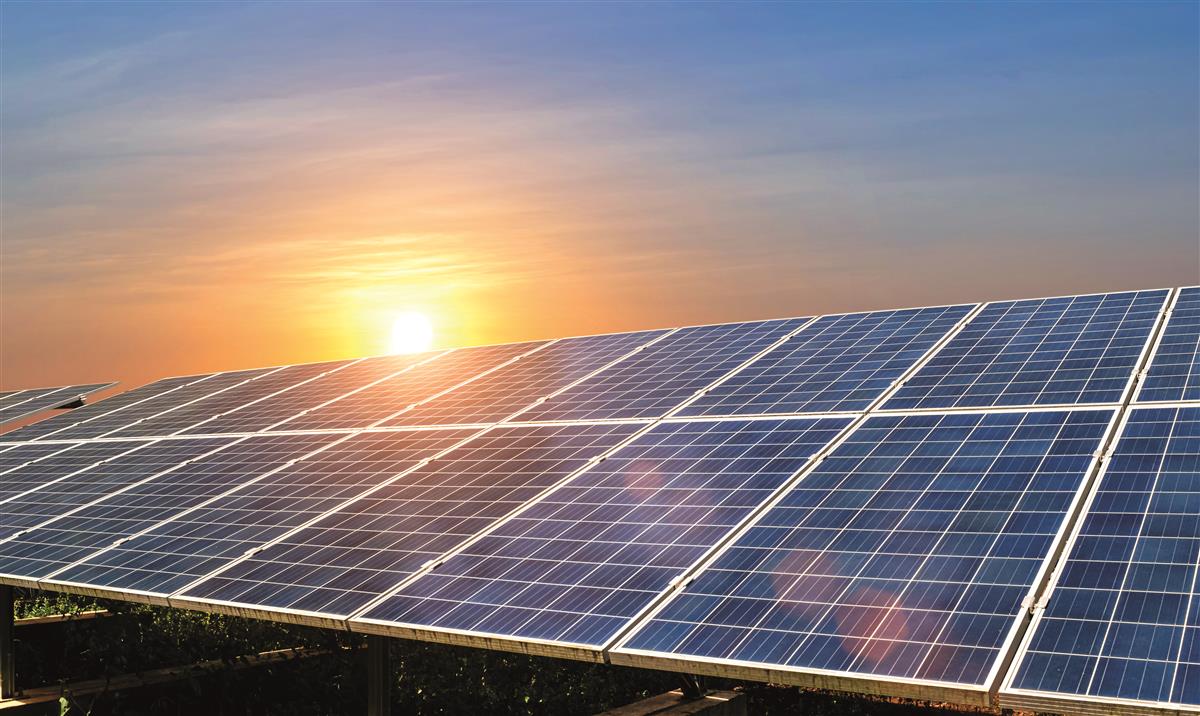
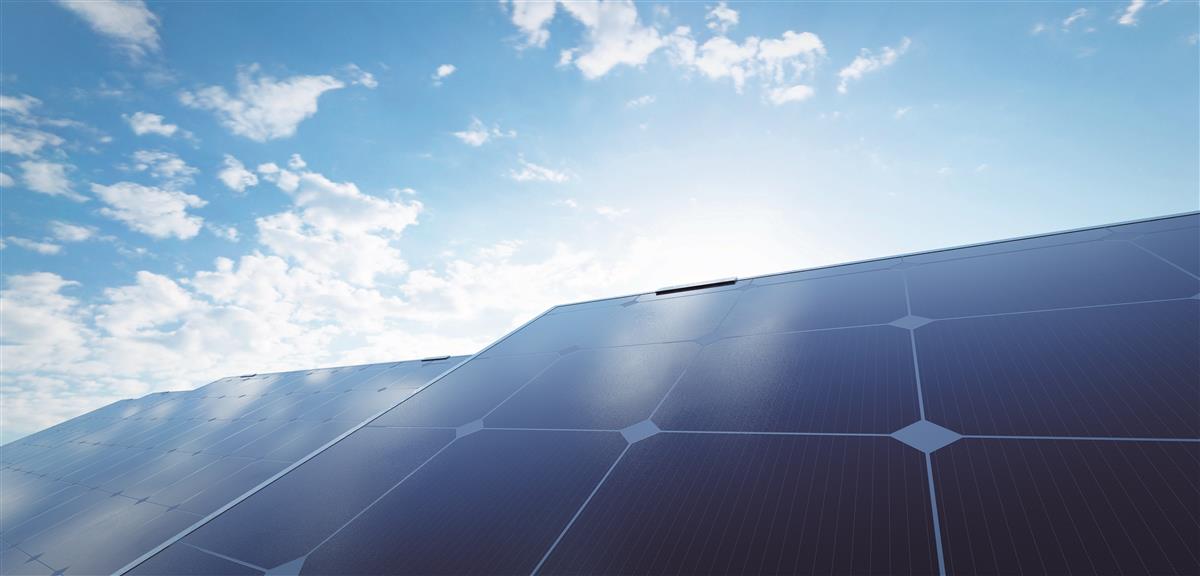
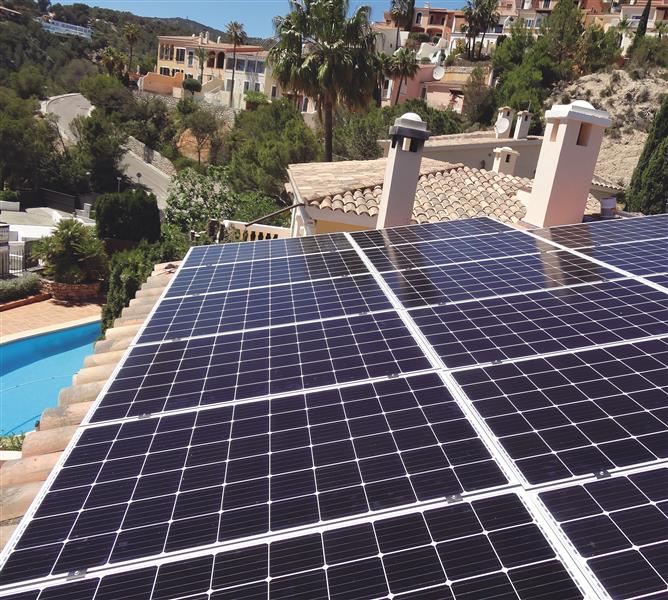
Mallorca has invested massively in solar energy in recent years. Roofs, commercial premises and rural properties now supply large amounts of electricity. However, the limits of this model become apparent in the summer months in particular: generation peaks at midday meet consumption peaks in the evening.
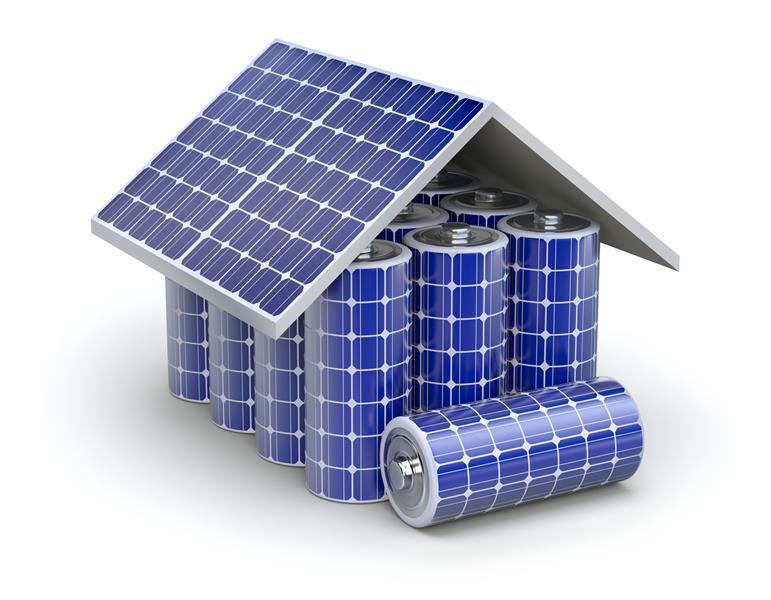
The answer to this is industrial battery storage systems, which will be increasingly used from 2026. They store excess energy, stabilize the grid and make electricity available again at different times. For building owners and investors, this means that an issue that has long been neglected is becoming increasingly important: Storage capability as part of energy planning.Parallel to this, hydrogen is also being tested on the island - for public transport, among other things. These are still pilot projects, but they show how broad the technological approach has become.Effects on construction, renovation and assessmentThe framework is changing noticeably for owners and project developers. Energy efficiency is no longer just a question of insulation or building technology, but increasingly of grid integration. Buildings that are designed for self-consumption, storage solutions and intelligent control benefit from more stable costs and better planning in the long term.
The necessary grid expansion involves construction sites, new substations and interventions in existing structures. In the short term, this involves expense. In the long term, however, the result is an energy system that is less expensive and much better suited to the requirements of modern residential and commercial properties.
A structural step forward
Mallorca is not saying goodbye to fossil fuels overnight. But the direction is clear: away from isolated solutions and towards a networked, flexible energy system. For the construction and real estate industry, this is a key factor - not only from an environmental perspective, but also as a basis for value retention, security of use and sustainable planning.