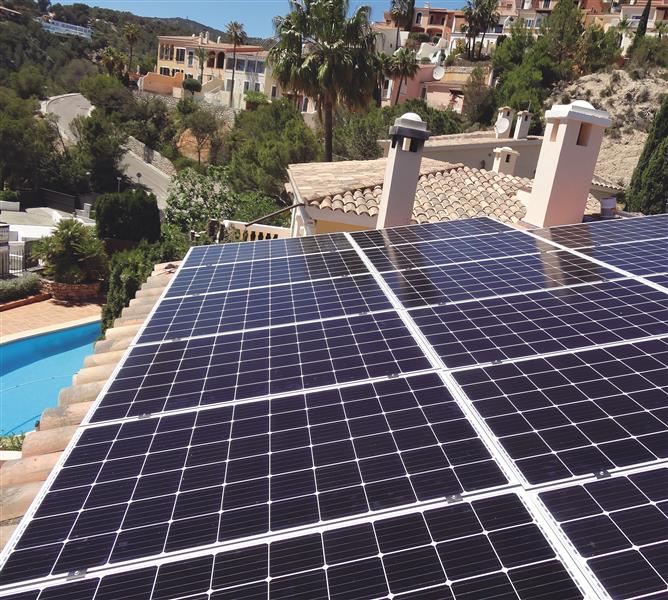
Photovoltaic & storage on Mallorca in reality check - generate electricity yourself, use it in a targeted manner
What current technology can achieve, where battery storage makes sense and why planning and consumption structure determine the success of a system.
Photovoltaics have long been part of everyday life on Mallorca and are part of many construction and renovation projects. The real question today is no longer whether a system will be installed, but how sensibly it is integrated into consumption, building technology and use - and whether storage solutions provide real added value.
From solar module to system solution
The legal framework for self-consumption is clearly defined in Spain. Private photovoltaic systems can be operated with or without feed-in, surpluses can be offset and community solutions are possible. In practice, however, it is not the law that determines the success of a project, but the system planning.
Modern systems are increasingly no longer being designed as isolated power generators, but as part of the building technology: coupled with water heating, air conditioning, pool technology or charging infrastructure. The added value is created where electricity is used when it is generated – or can be stored temporarily in a targeted manner.
Photovoltaics new technology: more control, less complexity
The technical development of recent years has significantly changed photovoltaics. Today, inverters work much more intelligently than previous generations. They record loads in real time, prioritize consumers and can be integrated into higher-level energy management systems.
In addition:
- Dynamic load control, for example for air conditioning or hot water
- Cross-phase control, relevant for higher connected loads
- Integrated monitoring systems that transparently map yield, consumption and storage status
For owners, this means less manual intervention, better control and a system that adapts to everyday life.
Energy storage technology: from niche product to planning option
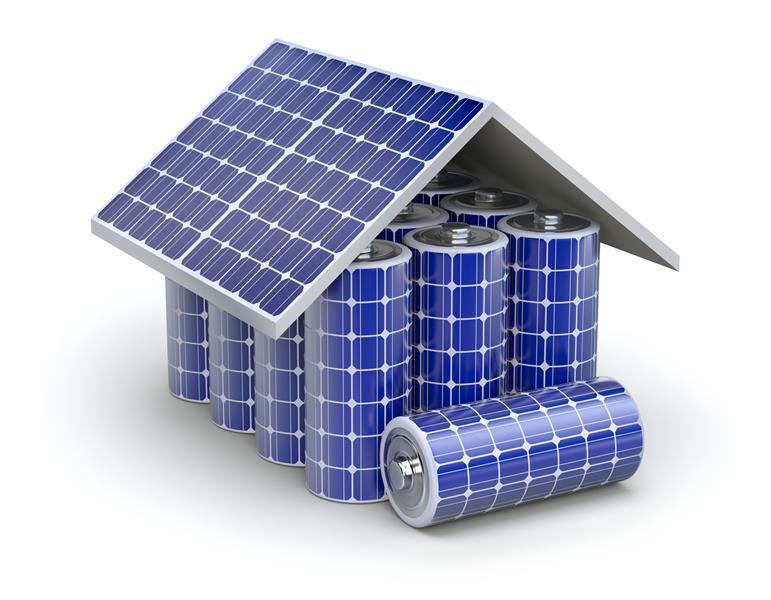
Battery storage systems have become much more important in recent years. Technically, they have become more sophisticated, more compact and more reliable. At the same time, costs have fallen significantly - not by leaps and bounds, but continuously. Storage systems have therefore gone from being a purely additional option to a realistic planning factor.
On Mallorca, their benefits are particularly evident when:
- the electricity consumption is mainly in the evening and at night
- Air conditioning and hot water generate a constant demand
- Peak loads should be avoided or smoothed
It is important to take a more nuanced view: not every system automatically benefits from a storage system. It makes economic sense where generation, consumption profile and control fit together. Oversized systems rarely lead to better results.
Community systems and larger systems
Communal solutions are becoming increasingly relevant in residential complexes and multi-party houses. These models are technically established, but organizationally demanding. Modern metering technology and digital billing systems facilitate implementation, but are no substitute for clear agreements within the community of owners.
The larger the system, the more important proper planning becomes,
especially when it comes to the allocation of revenues, costs and responsibilities.Energy funding Mallorca : supportive, not decisive
Support programs in the Balearic Islands are regularly adapted and relaunched. They can facilitate investments, but should not be the sole deciding factor. A photovoltaic system remains viable if it is sensibly dimensioned even without subsidies. Subsidies are a bonus – not a substitute for planning.
Realistic guidelines for planning and operation
Planning systems according to consumption, not according to roof area
The size of a photovoltaic system should be based on actual electricity requirements. The decisive factor is when and for what electricity is used - for example for air conditioning, hot water or pool technology. A system tailored to consumption increases the proportion of self-consumption and avoids oversizing, which is hardly used in everyday life.
Storage as a supplement, not an end in itself
Battery storage systems are not a mandatory component of every system. Their benefits arise where electricity is needed at different times - especially in the evening and at night. Storage systems only make economic sense if they support the existing consumption profile and make the system more efficient overall.
Aligning technology with control and monitoring
Modern photovoltaic systems develop their added value through intelligent control. Energy management, load prioritization and transparent evaluations are more important than maximum output. Systems that clearly map generation, consumption and storage status can be better adapted and operated with long-term stability
Evaluate economic efficiency before funding
Funding programs can make investments easier, but are no substitute for proper planning. A photovoltaic system should be sensibly dimensioned and economically viable even without subsidies. Subsidies are a supplement - not the basis of the decision.