Consider the dynamics of surplus management in photovoltaic systems and maximize your financial benefits
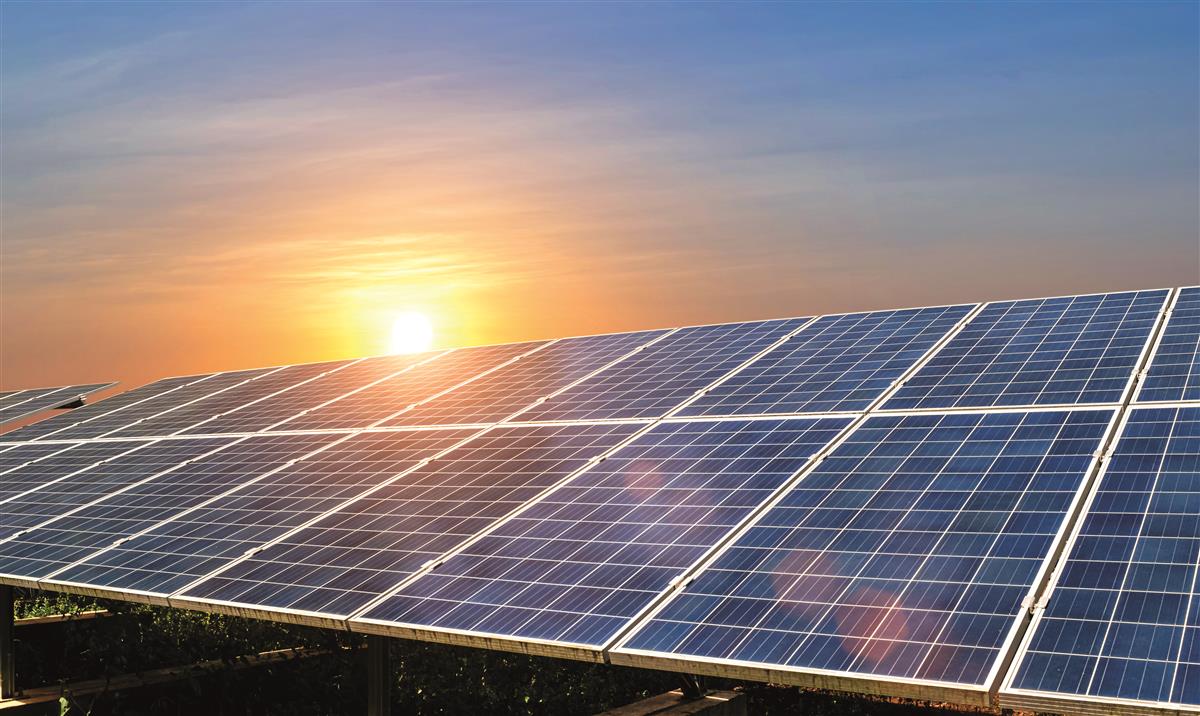
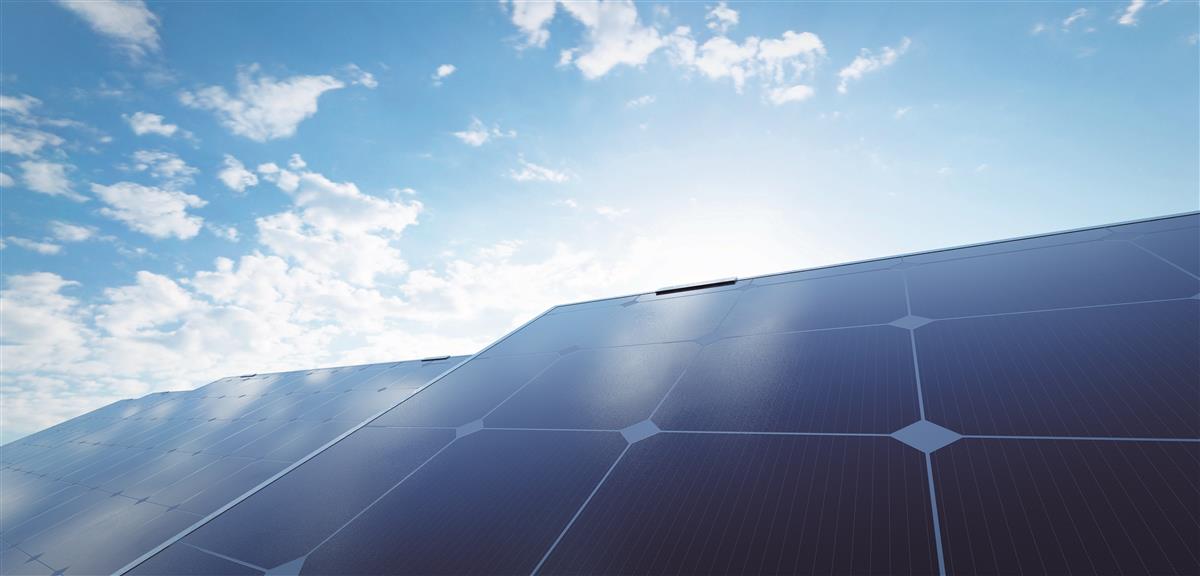
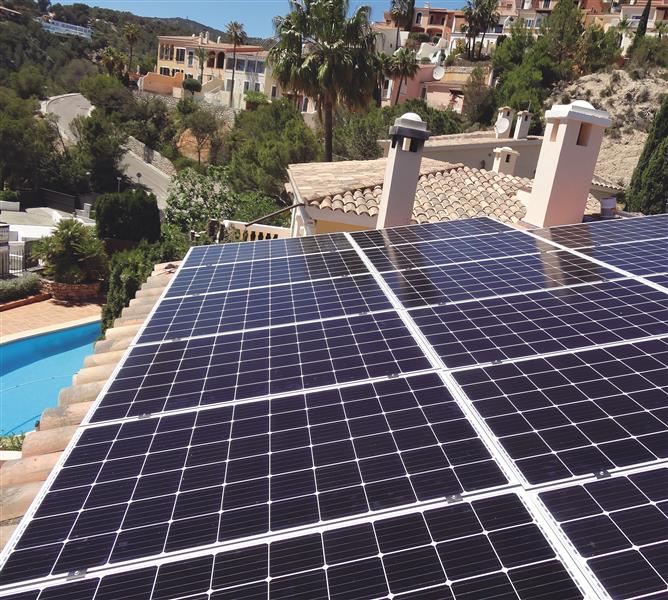
Photovoltaic solar systems, an increasingly popular source of renewable energy, generate electrical energy from sunlight that can be used directly on site or fed into the public grid. A common phenomenon with these systems is the so-called self-consumption surplus, which occurs when the system produces more energy than is consumed at the time it is generated.
Explanation of self-consumption surplus:
Energy surpluses are the unused energy produced by solar systems. These surpluses can be fed into the public grid and remunerated by the electricity suppliers. The remuneration is usually credited as a discount on the system operator's electricity bill. Innovative platforms also make it possible to share this surplus energy with other users and thus form a kind of energy community.
Minimizing energy waste:
An effective way to reduce energy waste is to adapt your own energy consumption to the production times of the solar modules. By shifting their energy consumption to the sunniest hours, households can make optimum use of the directly generated solar energy. This not only minimizes the feed-in of excess energy into the grid, but also leads to considerable savings on electricity bills.
Storage of excess energy:
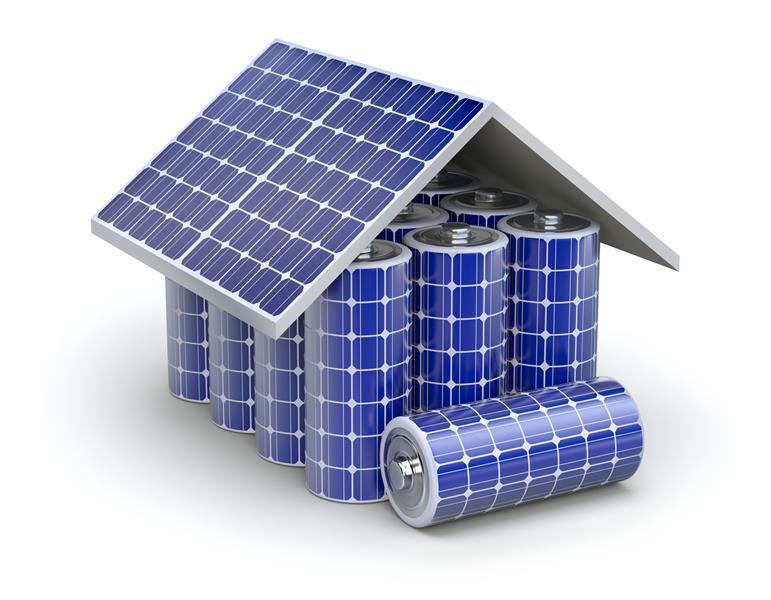
Another option for dealing with self-consumption surpluses is storage in batteries. This makes it possible to use the stored energy at a later time, especially during hours when there is little sunshine or at night. This method increases independence from the public power grid and can help to reduce energy costs in the long term.
In summary, the efficient use and management of self-consumption not only offers financial benefits, but can also make a significant contribution to sustainability and energy efficiency. By adapting their energy habits and using innovative solutions for storing and distributing solar energy, homeowners and businesses can actively contribute to the transition to a more sustainable energy future.