Now it's getting really hot! Different heating methods for Mallorca - which one suits you?
Central heating, infrared, pellets or a fireplace: what's the best way to keep your island home warm in winter? Not an easy question.
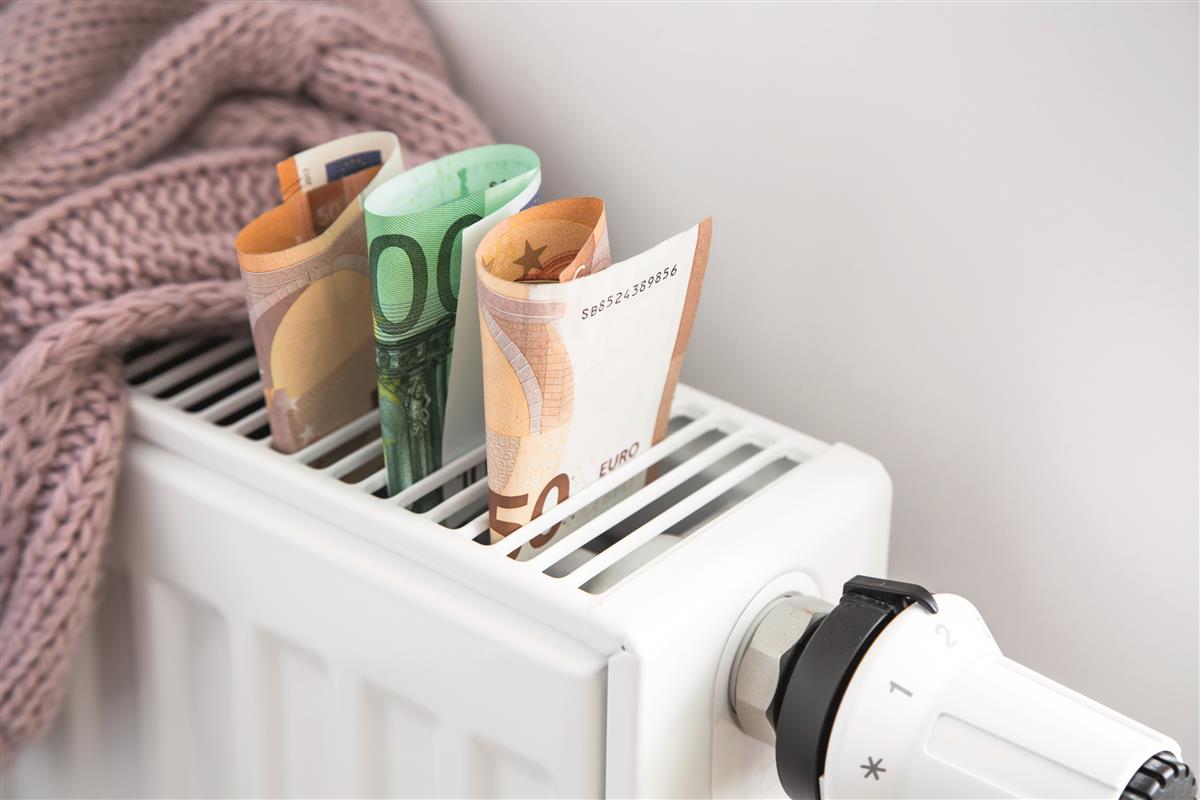
Even though winter on Mallorca is rather mild compared to Germany, there's no getting around the issue of heating on the sunny island. In addition to cozy warmth, there is also the tiresome issue of mould, which is only too well known in the cold season. But what options are there for keeping your own four walls cozy and warm? And what should you look out for to avoid literally burning your money?
Important: The insulation Due to the high humidity, especially in the coastal regions, and the often poor insulation, mold is a major problem on the island. And since a „I'll wipe that off with Lejia!“ is not really effective, you should take a look at the insulation beforehand with any form of heating. Because if windows and doors are better sealed, not only is heat loss reduced, but also the risk of black spots. The requirements There are often three things at once that play a role in heating. Firstly, of course, money. The focus is not only on the purchase price, but also on the subsequent consumption costs (which of course depend heavily on the insulation). The second aspect is also relevant here: Efficiency. How good is the heating system really? Does it provide consistently pleasant warmth or is it just "hot air" in the overheating sense? And last but not least, the installation effort should of course be as low as possible.
Heating – The classics
Although rather rare in older homes, oil or gas heating is particularly popular with residents and especially in new builds; either in the traditional form of wall-mounted radiators or as underfloor heating. If it is already installed in your own four walls, you can look forward to a clean and practical solution with no initial costs. Of course, the costs of consumption fluctuate. In the current season, if you buy 500 liters of heating oil, you can expect to pay a good 60 cents per liter net; however, the price per liter can be reduced for larger quantities. If you have your own gas tank filled, the price per kilogram is estimated at between 1.25 and 2 euros, depending on the quantity purchased. However, as oil and gas are fossil fuels, the price trend is generally upwards rather than downwards. Comprehensive construction work and a deep dip into the wallet are required for a sustainable installation.
Heating the Mallorcan way: the fireplace
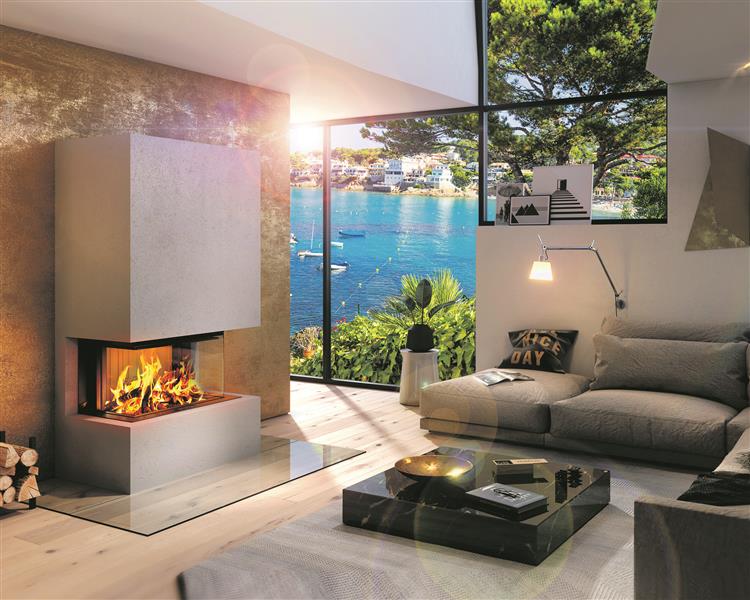
.In many houses, especially older ones, fireplaces serve no decorative purpose but were and are used as a source of heat. However, there is often a catch - due to the simple design of the flue, a lot of cold air enters the room from above as soon as the fireplace is not lit. This is where retrofitting with modern cassette ventilation systems comes into play, which guarantee a reliable source of heat in a visually appealing way. Pellet stoves offer an optimum combination of a traditional look and the latest technology. Available in a wide range of variants, including natural stone-coated, they are a cost-effective heating option. However, the need for a dry storage facility for the fuel must be taken into account. Here you have the choice between wood (pine and olive) for classic fireplaces and pellets in small or large versions. The pellets are often sold in 15-kilo bags and cost between three and six euros. Wood is slightly more expensive at six to ten euros per 15 kilos, but is also more productive in terms of heat generation.
Heating – The modern heat source
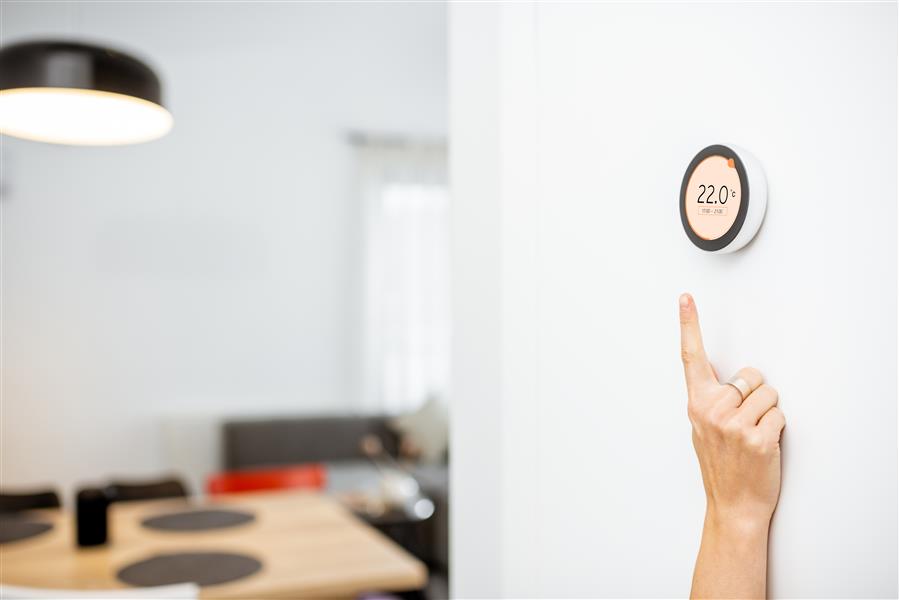
Wärme waves: The infrared heater. Unlike conventional heating systems such as oil heaters or fireplaces, infrared heating does not primarily heat the air, but instead emits the heat directly to walls, ceilings and floors. Since the room temperature is warmer as a result, the actual room temperature can be kept around three degrees lower," explains Edgar Habermehl from Heat4All. This can save up to 20 percent energy - which is also noticeable in your wallet. Another plus point: moisture is automatically drawn out of the walls. „In this way, infrared heating can demonstrably prevent the dreaded formation of mold“, emphasizes Marcus Dyck from Klug Heizen mit Oekoswiss. Infrared heaters are also a real eye-catcher. They can be presented as a mirror or picture (with Heat4All also according to your own motifs) and can be optimally integrated into the room situation. Easy to install and operate, outdoor house control is now also possible: „The systems from our supplier Etherma can be conveniently controlled via smartphone. So when you arrive and activate them beforehand via your smartphone, you are welcomed into your home by cozy, pleasant and snug warmth," says Jürgen Grabowy from SolandHeat.
The warmth is in the air: heat pumps.
„This system virtually breathes in the energy of the outside air and converts it into usable heat for the entire house, whether for heating or hot water supply, explains Torsten Schüssler from Balear Haustechnik. Certain structural requirements do not need to be met; the low installation costs mean that the air-to-water heat pump is not only inexpensive to purchase, but is also suitable for the subsequent conversion of an existing heating system during renovation. Independent of fossil fuels, price fluctuations are ruled out with this variant. „After a short time, you will have your investment costs back in your wallet“, says the expert. The quietly operating fan can be installed both indoors and outdoors. It is important to ensure optimum air quality, whereby a central supply and exhaust air system creates the best conditions for this. This leads to high heat recovery and continuous removal of pollutants.
Heating – The classic car
Unfortunately, they still exist: radiant heaters and fan heaters. If they are used in winter - for example to heat a room selectively or, in the worst case, to serve as the only source of heat - you are bound to start sweating when you look at your next electricity bill. Conclusion: Better hands off!
Conclusion: Anyone who deals with the topic of heating in Mallorca will not find a general solution. The circumstances are too different for that, the four heating experts agree. For example, someone who only lives on the sunny island for a few days a month or a few weeks a year faces different challenges than someone who lives here permanently. You should analyze your needs and requirements in detail and then talk to the experts to find out which heating system is worthwhile and provides the desired result.